
Buyer's Desk
How Much Does a CT Scanner X-Ray Tube Replacement Cost?
April 11, 2026 · 6 min · Medical Imaging Specialists
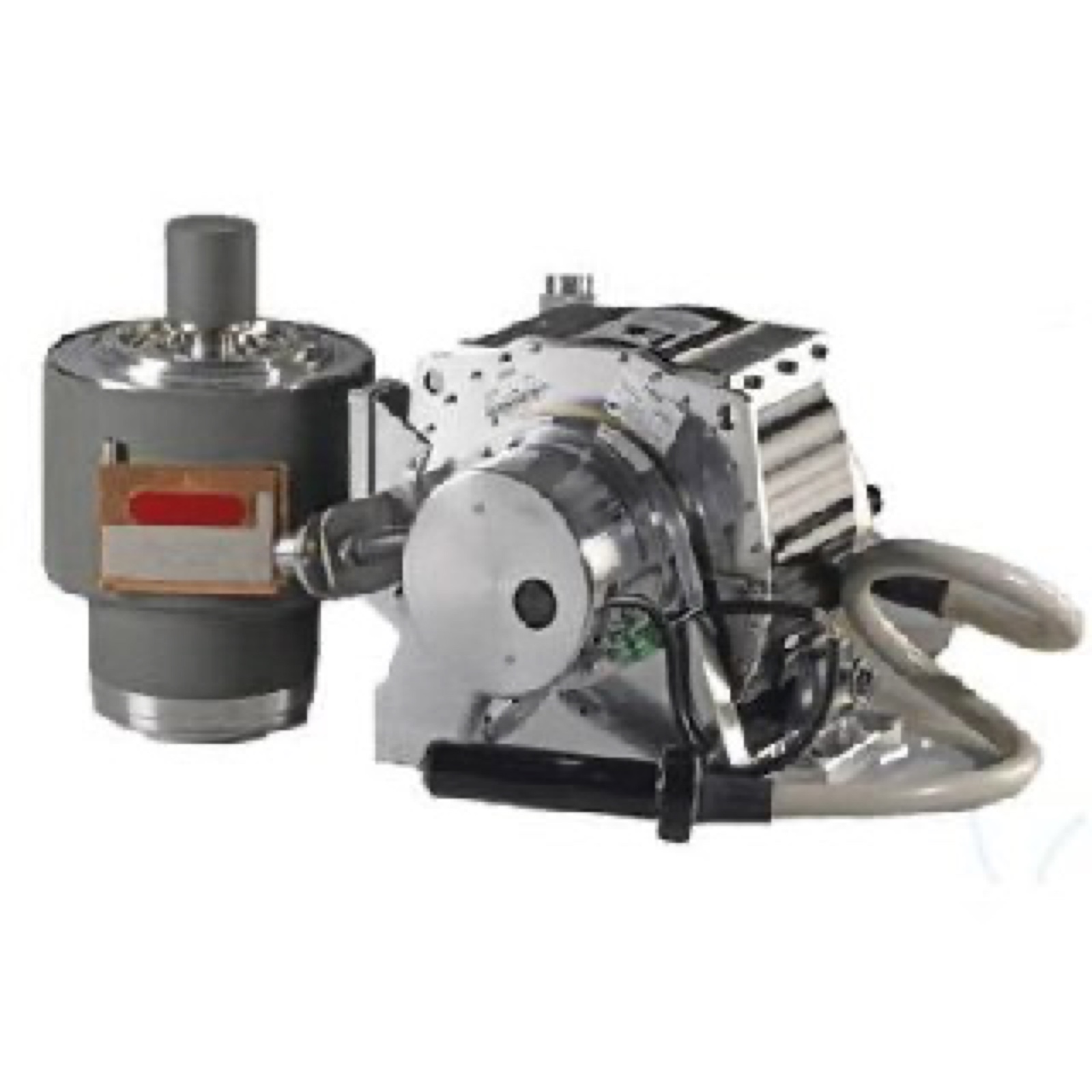
Practical considerations, risk points, and what to ask before you buy, service, move, or maintain imaging equipment.
Considering a lease instead?
Equipment, service, PMs, parts, and applications support can be bundled into one monthly payment.
If this article is about financing, ROI, service contracts, or total cost of ownership, the leasing model may simplify the decision.
If you own or operate a CT scanner, tube replacement isn’t a matter of if — it’s a matter of when. The X-ray tube is the single most expensive consumable component in any CT system, and replacing it can be a significant unplanned expense if you’re not prepared.
Whether you’re running a refurbished GE LightSpeed, a Siemens SOMATOM, or a Philips Brilliance, understanding tube replacement costs — and how to manage them — is essential to protecting your imaging investment. In this guide, we’ll break down what CT X-ray tubes cost, what factors affect pricing, and how to plan so a tube change doesn’t blow your operating budget.
What Does a CT X-Ray Tube Cost?
The short answer: $60,000 to $250,000+, depending on the scanner model, tube type, and whether you’re buying new OEM, aftermarket, or refurbished.
Here’s a general breakdown:
- 16-slice CT tubes (e.g., GE LightSpeed 16, Siemens Emotion 16): $60,000–$120,000
- 64-slice CT tubes (e.g., GE Optima CT660, Siemens Definition AS): $100,000–$180,000
- 128-slice and higher CT tubes (e.g., GE Revolution, Siemens Definition Edge/Flash): $150,000–$250,000+
- Dual-source CT systems (Siemens Definition Flash/Force): $200,000–$350,000+ (two tubes required)
These ranges cover OEM new pricing. Aftermarket and refurbished tubes can bring costs down significantly — sometimes by 30–50% — but more on that below.
What Factors Affect CT Tube Replacement Cost?
Not all tube replacements are created equal. Several variables influence what you’ll actually pay:
Scanner Model and Generation
Newer, higher-slice-count systems use more advanced tube technology — larger anode heat storage, faster rotation speeds, and tighter manufacturing tolerances. That engineering costs more. A tube for a 16-slice system from 2008 is fundamentally less expensive to produce than one for a 256-slice system from 2020.
OEM vs. Aftermarket vs. Refurbished Tubes
This is where the biggest cost differences show up:
- OEM new tubes come directly from GE, Siemens, or Philips. They carry the highest price tag but include a manufacturer warranty (typically 12 months or a set number of scan seconds).
- Aftermarket tubes are manufactured by third-party companies like Dunlee (a Philips subsidiary that sells cross-platform), Varex, or other specialty tube makers. Pricing is typically 15–30% below OEM.
- Refurbished tubes are previously used tubes that have been reconditioned — often with a new bearing assembly or rotor — and tested to meet performance specs. These can save 30–50% off OEM pricing, though warranty terms and remaining life vary.
Installation and Labor
The tube itself is only part of the bill. Installation typically requires a qualified CT service engineer and can take anywhere from 4 to 12 hours depending on the system. Calibration, air alignment, and quality assurance testing follow. Budget an additional $3,000–$8,000 for installation labor if it’s not bundled into a service contract.
Associated Components
Sometimes a tube change isn’t just a tube change. Depending on the age and condition of the system, your engineer may recommend replacing the high-voltage generator cables, collimator assembly, or detector calibration at the same time. These add-ons can tack on $5,000–$20,000, but addressing them during a scheduled tube change avoids a second round of downtime later.
How Long Does a CT X-Ray Tube Last?
Tube life depends heavily on scan volume and protocol mix. A busy ER scanner running trauma CTs and CT angiography all day will burn through a tube faster than a low-volume outpatient facility doing routine body scans.
General guidelines:
- Low-volume sites (20–30 patients/day): 4–7 years
- Medium-volume sites (40–60 patients/day): 2–4 years
- High-volume sites (80+ patients/day): 1–3 years
Most modern CT tubes are rated for 200,000 to 600,000 scan seconds, but real-world life depends on how those seconds are used. High-mA cardiac protocols consume tube life much faster than low-dose chest screenings.
Your scanner tracks tube usage metrics — scan seconds, mAs delivered, anode heat units — and your service engineer should be reviewing these at every preventive maintenance visit.
How to Reduce CT Tube Replacement Costs
You can’t avoid tube replacement, but you can manage it smartly:
1. Track Tube Life Proactively
Don’t wait for the tube to fail. Monitor tube hours and scan seconds regularly. Most CT consoles have built-in tube life tracking. When you’re within 15–20% of rated life, start planning and sourcing the replacement.
2. Consider Aftermarket or Refurbished Tubes
For many scanner models — especially systems that are 5+ years old — aftermarket and refurbished tubes deliver excellent clinical performance at a fraction of OEM cost. A reputable supplier will provide warranty coverage, tube life data, and installation support.
3. Bundle Tube Coverage Into Your Service Contract
If you have a full-service or comprehensive service contract, tube replacement may already be included (or available as an add-on rider). This turns a $100,000+ surprise into a predictable monthly cost. Even if you’re on a time-and-materials agreement, some providers offer standalone tube insurance policies.
4. Optimize Scan Protocols
Work with your applications team to ensure protocols aren’t running higher mA or longer scan times than clinically necessary. Dose optimization isn’t just good for patients — it extends tube life. Iterative reconstruction technology (ASiR, SAFIRE, iDose) allows lower-dose protocols that reduce tube wear.
5. Keep Up With Preventive Maintenance
Proper cooling system maintenance, regular calibration, and timely replacement of wear items (bearings, filters, slip ring brushes) all contribute to longer tube life. Deferred maintenance doesn’t save money — it accelerates component failure.
When a Tube Failure Becomes an Upgrade Decision
Sometimes a tube replacement quote is the moment to ask a bigger question: Is it time to upgrade the whole system?
If your scanner is 12+ years old, approaching end of parts support, and the tube replacement will cost $150,000, it may make more financial sense to invest in a newer refurbished system that comes with a fresh tube, updated software, and a full warranty. Run the numbers — compare the tube replacement cost against the total cost of ownership for a replacement system over the next 5 years.
Plan Ahead — Don’t Get Caught Off Guard
The worst time to deal with a tube replacement is when the tube has already failed and your scanner is down. Emergency tube sourcing costs more, takes longer, and means lost revenue from every day your scanner sits idle.
The best approach: know your tube’s life expectancy, build replacement costs into your annual capital budget, identify your sourcing options in advance, and have a relationship with a service provider who can respond quickly when the time comes.
How Medical Imaging Specialists Can Help
At Medical Imaging Specialists, we help facilities across the U.S., Caribbean, and Latin America manage CT tube replacements and overall imaging equipment costs. Whether you need a competitively priced replacement tube, a full-service contract with tube coverage, or you’re ready to explore upgrading to a newer refurbished CT system, our team can walk you through your options.
We stock parts for GE, Siemens, and Philips CT systems, and our engineers handle tube installations, calibration, and quality assurance testing. If you’re tracking tube life and want to plan ahead, contact us for a no-obligation consultation.
Medical Imaging Specialists — expert service, honest guidance, and the parts you need to keep your imaging operation running.
Related Reading
- Read next: Refurbished Imaging Equipment Parts Availability
- Read next: Maximize Uptime Refurbished Imaging Equipment
Talk Through Your Next Imaging Project
If you are evaluating refurbished imaging equipment, planning a service strategy, or trying to keep an aging scanner productive, Medical Imaging Specialists can help. Contact MIS through the website and tell us what system you are working with.
Need help with this exact problem?
Send the modality, site location, timeline, and any system details. MIS will route the request by intent.
Related resources
Buyer's Desk
What Is a Fair Price for Used X-Ray Equipment?
A fair used X-ray equipment price depends on scope, detector condition, site readiness, installation, service, parts, and support.
Buyer's Desk
How Much Does Used Medical Imaging Equipment Cost?
Used medical imaging equipment cost depends on modality, model, condition, site work, installation, service, parts, and support scope.
Buyer's Desk
Best Used MRI for an Outpatient Imaging Center
Choose the right used MRI for an outpatient center by matching field strength, bore size, coils, site needs, service, and volume.