
Buyer's Desk
How Do I Sell a Used MRI Machine? Valuation Checklist
May 8, 2026 · 6 min · Medical Imaging Specialists
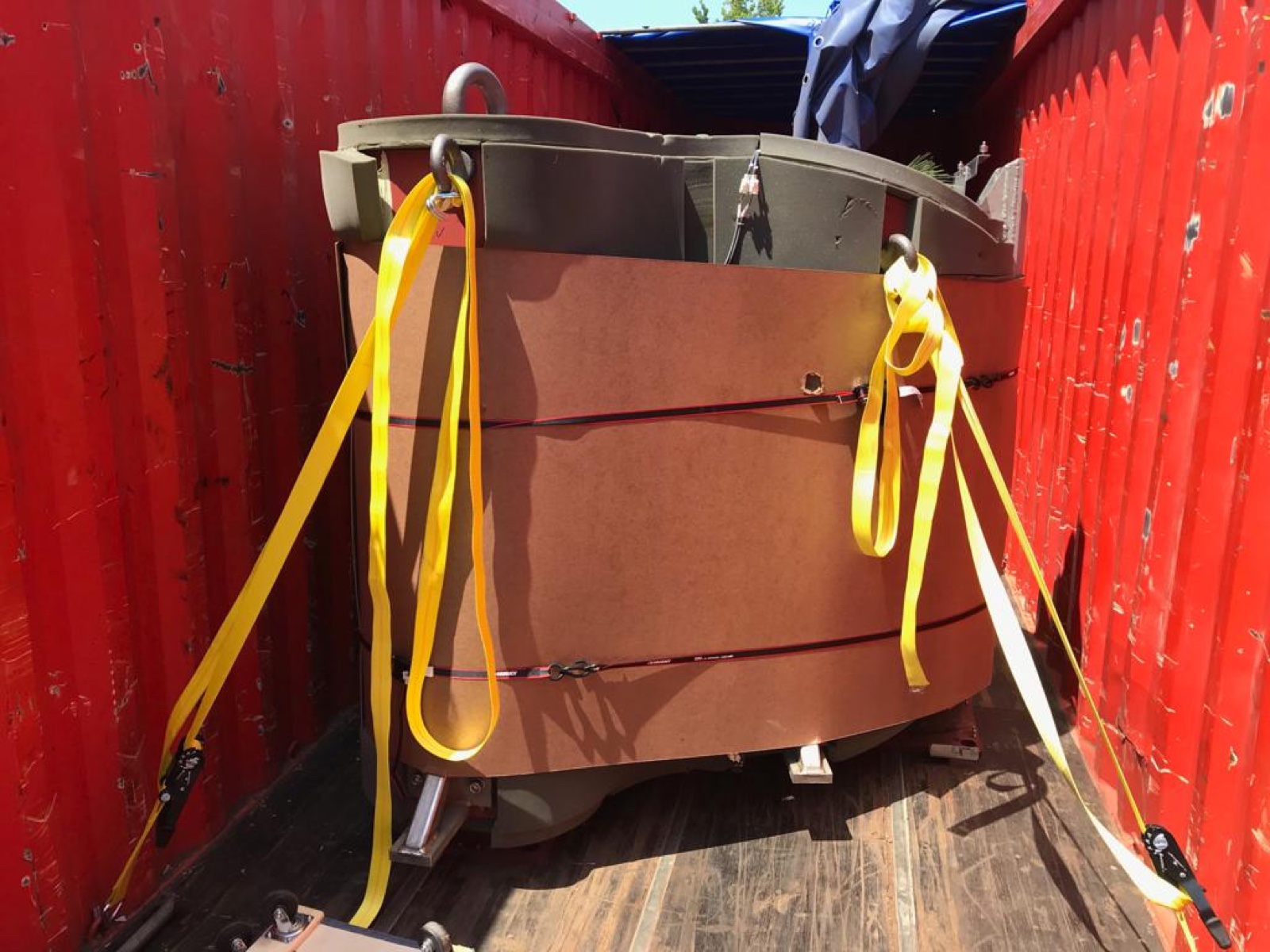
Practical considerations, risk points, and what to ask before you buy, service, move, or maintain imaging equipment.
To sell a used MRI machine, start by collecting the make, model, field strength, serial number, install year, operating status, service history, coil and accessory inventory, software/options, photos, site location, deinstallation constraints, and target removal date. A qualified imaging equipment buyer can then evaluate resale value, removal logistics, rigging risk, and whether the MRI should be purchased, traded, relocated, refurbished, or harvested for parts.
The right process matters because an MRI is not ordinary used imaging equipment. It is a high-value asset, a magnet safety project, a rigging job, and often part of a larger replacement or construction timeline.
Why selling an MRI is different
Selling a used ultrasound, C-arm, or X-ray room can be complicated. Selling an MRI adds another layer: magnet safety, cryogen history, possible chiller support, coils, workstations, cabinets, and a route out of the building that may involve tight corridors, floor loading, cranes, forklifts, or temporary building protection.
That is why serious buyers do not value an MRI from a model name alone. A working, complete 1.5T system with a clean removal path is a different asset from the same model missing coils, powered down, or trapped behind construction constraints. Start early; once a construction deadline is close, the buyer pool narrows and logistics risk goes up.
For a closer look at the physical side of removal, see our guide on MRI magnet removal without wall demolition and our broader medical imaging deinstallation, shipping, and installation guide.
What information should you collect first?
Before asking, “What is my MRI worth?” gather the basic facts a buyer needs to give a serious answer.
Start with the system identification:
- Manufacturer and model
- Field strength, such as 1.5T or 3T
- Serial number
- Magnet model, if different from the marketed system name
- Install year and approximate software level
- Current location and whether the system is still installed
- Whether it is scanning patients today, powered down, or non-operational
Then document the configuration. Coils, software options, gradients, workstation package, patient table condition, chiller, cabinets, console equipment, and accessories can change the outcome. Service records help too: PM history, recent repairs, known faults, helium or cryogen history, error logs, and uptime history all reduce guesswork.
Photos are one of the fastest ways to improve the conversation. Send wide shots of the magnet room, control room, equipment room, labels, serial plates, coils, cabinets, chiller, patient table, access path, doorways, dock area, and any known constraints. A blurry photo of the gantry is not enough.
What affects used MRI value?
Used MRI value depends on demand, condition, completeness, logistics, and timing. The model matters, but it is only the beginning.
A common 1.5T workhorse with strong parts availability may have a better resale path than a technically impressive system with limited demand or difficult support. Wide-bore systems often attract interest because patient comfort and outpatient workflow matter. Some 3T systems hold value well for advanced applications, but they can also require a more specific buyer.
Condition is the next major factor. A working system that can be inspected under power is easier to value than a system that has already been shut down. Buyers like to see image quality, table function, coil performance, software status, chiller operation, and error history before deinstallation.
Completeness matters. Missing coil sets, workstations, monitors, cabinets, or key hardware can lower value or push the asset toward parts value. Logistics can also affect the net offer. A clean ground-floor removal with a clear dock is not the same job as a tight hospital route, limited elevator access, roof opening, crane pick, or overnight removal window.
If you are replacing the system, compare the sale decision with your next MRI plan. Our refurbished MRI scanner buying guide and 1.5T vs 3T MRI guide can help frame the replacement side.
Deinstallation and rigging: do not leave it vague
A good MRI sale agreement should define who handles deinstallation, rigging, insurance, building protection, loading, freight, and documentation. Ask who coordinates removal, MRI safety planning, route verification, rigging, crane or forklift needs, after-hours work, and asset protection after removal.
Facilities often underestimate the coordination burden. Security, facilities, radiology, construction, biomed, IT, and the replacement vendor may all need to line up. A missed date can affect construction, patient scheduling, and the value of the outgoing asset.
This is where a full-service imaging partner is different from a paper broker. MIS works around equipment lifecycle: acquisition, deinstallation, crating, freight, refurbishment, parts, installation, and service support.
Questions to ask before choosing a buyer
Do not evaluate used MRI buyers by offer amount alone. A higher offer with weak execution can cost more than a lower offer from a team that removes the system cleanly and on schedule.
Ask these questions:
- Are you buying the MRI outright, brokering it, consigning it, or valuing it for parts?
- When is payment made, and what conditions can change the offer?
- Will you inspect the MRI under power before deinstallation?
- Who handles deinstallation, rigging, removal, freight, and insurance?
- Have you reviewed the access path and site constraints?
- What documentation do you need from our facility?
- What happens if the removal date changes?
- Can you also quote replacement MRI options, service, or mobile coverage if needed?
That last question matters when the sale is tied to a replacement project. Selling the old magnet, buying the next system, planning service, and managing downtime should not be treated as four unrelated jobs.
If your facility is also planning parts, service, or replacement support, MIS can help through MRI equipment options, medical imaging parts, service support, and quote requests.
Common mistakes sellers make
The first mistake is waiting too long. MRI value is easier to protect when the system is still installed, powered, complete, and available for inspection.
The second mistake is losing the accessory inventory. Coils, workstations, cabinets, manuals, software media, and small components can disappear during room cleanout. Create a written inventory early.
The third mistake is assuming the model name determines value. Two systems with the same badge can have very different value depending on software, coils, condition, service history, and removal complexity.
The fourth mistake is accepting unclear removal responsibility. “Buyer removes” is not enough. Know who is doing the work, what insurance is in place, how the building will be protected, and who coordinates with facilities.
FAQ
What is my used MRI worth?
It depends on manufacturer, model, field strength, age, software/options, coil package, operating status, service history, completeness, location, deinstallation difficulty, and current market demand. A real valuation needs system details and site context, not just a model name.
Can I sell a non-working MRI machine?
Often, yes. A non-working MRI may still have parts or refurbishment value. The value will depend on what failed, whether key components are present, whether the magnet and coils are usable, and how difficult the system is to remove.
How long does MRI removal take?
The physical removal may be completed in a short window on some projects, but planning can take longer. Route review, rigging coordination, facility scheduling, safety planning, construction timing, and freight all affect the schedule.
What photos should I send for an MRI valuation?
Send photos of the magnet, model and serial labels, patient table, coils, accessories, console, equipment room, chiller if present, cabinets, control room, doorway clearances, hallway route, exterior access, loading dock, and any known obstacles.
Do coils and accessories affect used MRI value?
Yes. Coils, workstations, software options, cabinets, and accessories can materially affect value. A complete system is usually easier to resell, refurbish, relocate, or support than a system with missing parts.
Can MIS help if I am replacing the MRI?
Yes. MIS can discuss the outgoing MRI, replacement refurbished MRI options, deinstallation planning, parts, service, and support strategy. If your project needs temporary capacity, ask about mobile imaging leasing as part of the transition plan.
Schema recommendation
Use Article or BlogPosting schema for the post, FAQPage schema for the FAQ section, and Service schema on related sell-your-equipment, deinstallation, service, or valuation pages where available.
Selling or replacing an MRI? Send MIS the make, model, serial number, photos, coil/accessory list, location, operating status, and target removal date. We will help you separate real asset value from removal risk and plan the next step through contact or a quote request.
Need help with this exact problem?
Send the modality, site location, timeline, and any system details. MIS will route the request by intent.
Related resources
Buyer's Desk
What to Look for When Buying a Used PET/CT Scanner
Used PET/CT buyers should verify detector condition, CT slice count, tube status, service history, site fit, logistics, and support before quoting.
Buyer's Desk
How Old Can Medical Imaging Equipment Be and Still Work?
Learn when older CT, MRI, PET/CT, X-ray, and ultrasound systems can keep working and when age becomes a service or replacement risk.
Buyer's Desk
How Much Does a Used or Refurbished PET/CT Cost?
Used or refurbished PET/CT cost depends on detector technology, CT slice count, service history, site work, logistics, and support scope.