
Vendor Vetting
How to Choose a Refurbished Medical Imaging Equipment Vendor: 7 Key Factors
April 15, 2026 · 6 min · Medical Imaging Specialists
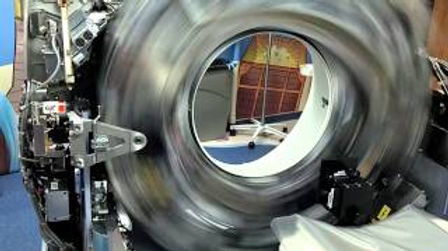
Practical considerations, risk points, and what to ask before you buy, service, move, or maintain imaging equipment.
Buying a refurbished CT scanner, MRI system, or PET/CT is a major capital decision — often $150,000 to $1 million or more. But the equipment itself is only part of the equation. The vendor you buy from can make or break the entire investment.
A great refurbished medical imaging equipment vendor doesn’t just sell you a system. They guide you through site planning, handle de-installation and logistics, refurbish the unit to a high standard, install it properly, and stand behind it with real service support. A bad vendor? They ship a machine, hand you a thin warranty, and disappear.
Here are the seven factors that separate trustworthy vendors from risky ones — and how to evaluate each before you sign.
1. In-House Service and Engineering Capabilities
This is the single most important differentiator. Ask yourself: does this vendor have their own field service engineers, or are they just a broker reselling equipment they can’t support?
A vendor with in-house engineers can:
- Perform thorough refurbishment with real quality control
- Offer meaningful warranties because they can actually service the equipment
- Provide ongoing maintenance, PM contracts, and emergency support
- Troubleshoot issues without waiting on a third party
Red flag: If a vendor can’t tell you who will service the system after installation, or they subcontract everything to third parties, you’re taking on significant risk. When your scanner goes down, response time is everything — and brokers don’t control that.
2. Parts Inventory and Supply Chain
Medical imaging equipment depends on a steady supply of replacement parts — x-ray tubes, detectors, boards, coils, and hundreds of specialty components. Some of these parts have long lead times or are becoming scarce as OEMs discontinue older platforms.
A strong refurbished medical imaging equipment vendor maintains their own parts inventory. This means faster repairs, lower parts costs, and less downtime when something breaks.
Questions to ask:
- Do you stock parts in-house, or do you source them on demand?
- What’s your typical turnaround time for common replacement parts?
- Can you support this system model for the next 5–7 years?
- Do you harvest parts from decommissioned systems to maintain inventory?
A vendor who buys, refurbishes, and harvests systems for parts has a built-in supply chain advantage that pure resellers simply don’t have.
3. Refurbishment Standards and Transparency
“Refurbished” means different things to different vendors. Some perform comprehensive refurbishment — full cosmetic restoration, component-level testing, software updates, new consumables, and complete calibration. Others do little more than wipe down the covers and run a basic power-on test.
Ask for specifics:
- What does your refurbishment process include, step by step?
- Are cosmetic panels repaired or replaced?
- Is the software updated to the latest available version for that platform?
- What testing and quality assurance is performed before shipping?
- Can I see photos or a video walkthrough of the system before purchase?
Transparency here is a trust signal. A vendor who can clearly articulate their process — and show you the results — is one who takes refurbishment seriously.
4. Warranty Terms and What They Actually Cover
Nearly every vendor offers some form of warranty. The difference is in the details.
Key warranty questions:
- How long is the warranty period? (90 days is minimal; 6–12 months is standard for reputable vendors)
- Does the warranty include parts and labor, or just parts?
- Are major components like x-ray tubes and detectors included, or excluded?
- What’s the response time commitment — next business day, 24 hours, or “best effort”?
- Is there an option to extend the warranty or transition into a service contract?
A vendor who offers a comprehensive warranty backed by their own service team is fundamentally different from one who offers a parts-only warranty with no service infrastructure. The former is a partner; the latter is a gamble.
5. Installation and Project Management Experience
Getting a refurbished imaging system from point A to point B — and operational — involves a lot more than shipping a crate. A proper installation includes:
- Site survey and room preparation guidance
- Coordination with electricians, HVAC contractors, and architects
- Professional rigging, delivery, and placement
- System assembly, calibration, and applications training
- Physicist testing and regulatory compliance
An experienced refurbished medical imaging equipment vendor manages this entire process. They’ve done it dozens or hundreds of times. They know what can go wrong — and how to prevent it.
Ask about their installation track record. How many systems have they installed? Do they handle projects in your region? Can they provide references from similar facilities?
6. Geographic Reach and Market Knowledge
If your facility is in the Caribbean, Latin America, or a rural area of the U.S., you need a vendor who understands the unique challenges of your market. International shipments require export compliance, customs coordination, and voltage/power compatibility. Remote locations need vendors who will actually travel for installation and service — not just ship a system and wish you luck.
Look for vendors with a proven track record in your region. Experience with international logistics, bilingual support capabilities, and familiarity with local regulatory requirements can save you weeks of delays and thousands of dollars in unexpected costs.
7. Reputation and References
Finally, do your due diligence on the vendor itself:
- How long have they been in business?
- Are they an established company with a physical facility, or a one-person operation working from a phone?
- Can they provide references from recent customers with similar equipment?
- Do they have positive reviews, case studies, or testimonials?
- Are they members of industry associations (IAMERS, etc.)?
A vendor who has been refurbishing and servicing imaging equipment for 10 or 20 years has survived because they deliver. Longevity in this industry is earned, not given.
The Bottom Line: You’re Choosing a Partner, Not Just a Product
When you buy a refurbished CT, MRI, or PET/CT system, you’re entering a relationship that will last years. The vendor you choose will determine your uptime, your total cost of ownership, and ultimately, your ability to serve patients without interruption.
Don’t choose on price alone. Choose on capability, transparency, and commitment to supporting you after the sale.
Ready to Find the Right Vendor?
Medical Imaging Specialists (MIS) has been buying, refurbishing, and servicing CT, MRI, and PET/CT systems since 2004. Based in Bradenton, Florida, MIS is a family-owned company with in-house engineers, a deep parts inventory, and a proven track record serving clients across the U.S., Caribbean, and Latin America.
Whether you’re exploring your first refurbished system or replacing aging equipment, MIS can walk you through every step — from system selection to installation to long-term service support.
Contact Medical Imaging Specialists to discuss your imaging equipment needs, or call us to speak with our team directly.
Related Reading
- Read next: Refurbished Medical Imaging Equipment Warranty Guide
- Read next: Refurbished Imaging Equipment Parts Availability
Talk Through Your Next Imaging Project
If you are evaluating refurbished imaging equipment, planning a service strategy, or trying to keep an aging scanner productive, Medical Imaging Specialists can help. Contact MIS through the website and tell us what system you are working with.
Need help with this exact problem?
Send the modality, site location, timeline, and any system details. MIS will route the request by intent.
Related resources
Vendor Vetting
What Certifications Come With Used Medical Equipment?
Used imaging equipment should come with clear system records, test documentation, and compliance paperwork buyers can verify before purchase.
Vendor Vetting
Can an Independent Service Provider Service Imaging Equipment?
Can an independent service provider service CT, MRI, PET/CT, or X-ray equipment? Yes, if the scope, training, parts, and documentation fit.
Vendor Vetting
Do Refurbished CT Scanners Need OEM Service Plans?
Do refurbished CT scanners need OEM service? Not always. What matters is qualified support, parts access, documentation, and uptime risk.