
Vendor Vetting
Parts Availability for Refurbished CT & MRI Scanners: What Buyers Must Know
April 1, 2026 · 6 min · Medical Imaging Specialists
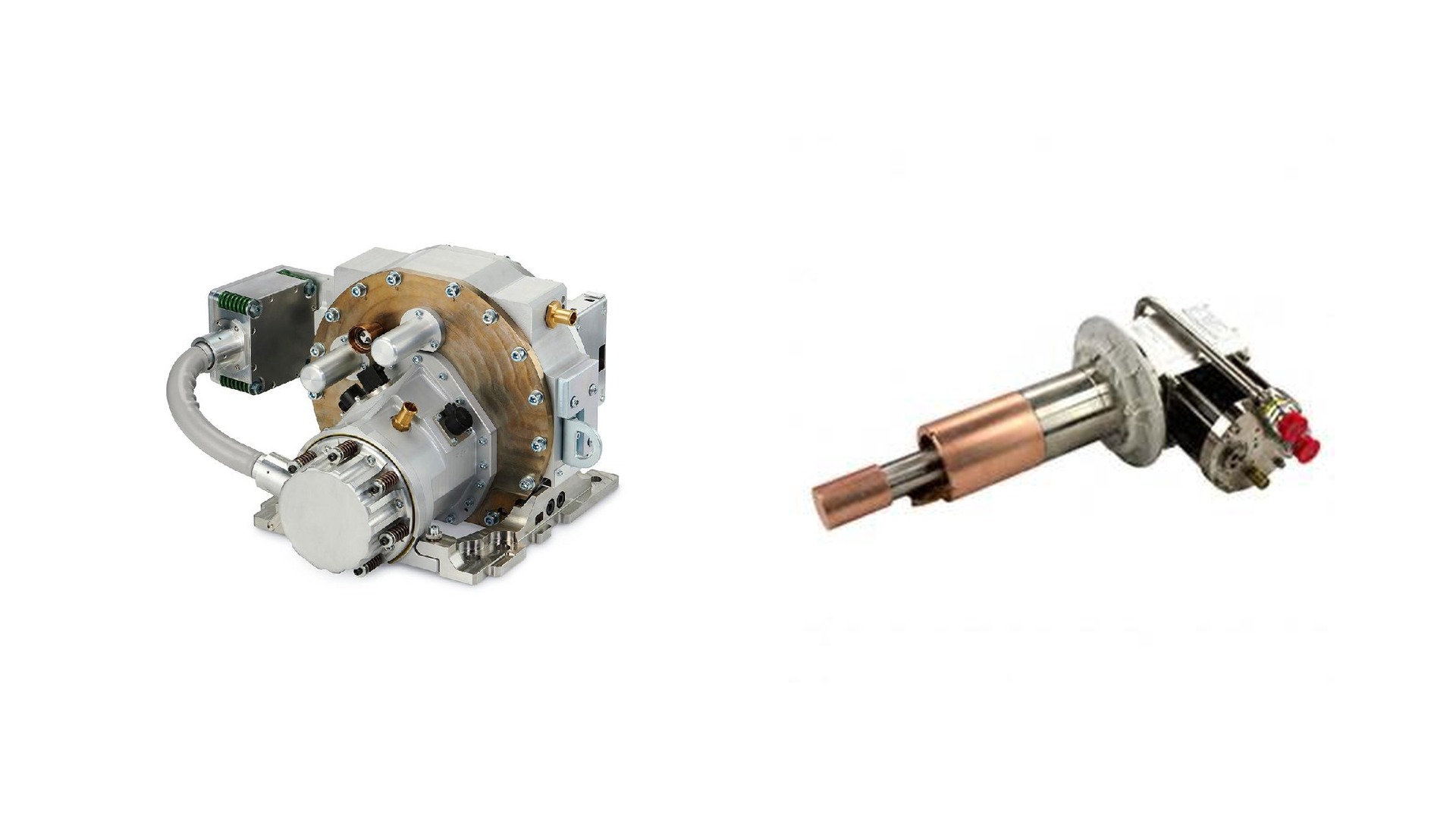
Practical considerations, risk points, and what to ask before you buy, service, move, or maintain imaging equipment.
Target Keyword Phrase: refurbished CT scanner parts availability
Buying a refurbished CT, MRI, or PET/CT scanner can deliver exceptional clinical capability at a fraction of the cost of new. But there’s a factor that separates a great deal from an expensive nightmare — and it often doesn’t show up in the purchase price: parts availability.
If your scanner goes down and the part you need is obsolete, back-ordered, or simply nonexistent in the aftermarket, you’re not just facing a repair bill. You’re facing days or weeks of lost revenue, rescheduled patients, and staff standing idle. Understanding parts availability before you buy is one of the most important due diligence steps in the refurbished imaging equipment process.
Why Parts Availability Varies So Widely
Medical imaging equipment has a long lifespan — scanners routinely stay in clinical use for 15 to 20 years. But that longevity cuts both ways. The same model that’s been a workhorse for a decade can also be one whose OEM (original equipment manufacturer) has quietly discontinued key components.
Manufacturers like GE, Siemens, and Philips move through product generations, and when a platform reaches end-of-life status, support from the OEM begins to wind down. The questions you need answered before committing to a purchase:
- Has the OEM officially ended parts production for this model?
- Are independent service organizations (ISOs) actively stocking and supporting this platform?
- Are there known high-failure components on this system, and are they available?
The answers to those questions differ dramatically between a GE LightSpeed 16-slice CT and a GE Revolution, or between a Siemens Avanto 1.5T MRI and a Siemens Aera — even if both look like solid buys on paper.
High-Wear Components to Ask About First
Not all parts fail equally. Some components are replaced far more often than others, and these are the ones that deserve the most scrutiny during your evaluation.
CT Scanners
- X-ray tubes — The highest-cost consumable on any CT scanner. Tube prices range from $40,000 to $150,000+ depending on the system. Ask about tube hours remaining on the installed tube and pricing and lead time for replacement tubes from at least two sources.
- Detector arrays — Failed detector channels produce image artifacts and can require costly replacement or recalibration. Ask whether the detector has been serviced recently.
- High-voltage generators and power supplies — Not as frequent, but when they fail, lead times on obsolete systems can stretch to weeks.
- Slip rings — A wear component that becomes harder to source on older platforms.
MRI Scanners
- Gradient amplifiers — One of the most commonly failed components and often one of the hardest to source on older systems. Ask upfront.
- RF amplifiers and transmit/receive chains — Expensive and model-specific; check aftermarket availability.
- Cryocooler compressors (superconducting MRI) — Critical for maintaining magnet temperature. Failures can lead to a quench event if not caught early.
- Patient table drive systems — Mechanical wear items that are often overlooked until they fail mid-exam.
PET/CT Scanners
- Detector blocks and crystals — PET detector components are highly proprietary. Confirm that your service vendor has access to working pulls or refurbished detector assemblies for your specific model.
- PMT arrays (photomultiplier tubes) — Found on older PET systems; limited aftermarket supply on legacy platforms.
The OEM vs. ISO Parts Ecosystem
When a scanner leaves the OEM’s active support window, you’re largely dependent on the independent service market. This isn’t inherently a problem — many ISOs do excellent work — but quality varies.
What a strong ISO parts ecosystem looks like:
- Multiple vendors actively stocking tested, working pulls
- Rebuilt or remanufactured components available (not just new OEM)
- Reasonable lead times — days, not months
- Vendors who can provide traceability and warranty on parts
Red flags:
- Only one or two sources globally for a critical component
- Parts last produced more than 10 years ago with no aftermarket manufacturing
- High prices due to scarcity, even on items that shouldn’t be expensive
- A vendor who can’t tell you where a part came from or provide any quality documentation
Ask any prospective seller or service organization to walk you through their parts strategy for the specific model you’re considering. A seller who can’t answer that question clearly is a seller worth walking away from.
How Platform Age Affects Parts Risk
As a general rule:
| Platform Age | OEM Support | ISO Availability | Risk Level |
|---|---|---|---|
| 0–5 years | Active | Growing | Low |
| 5–10 years | Winding down | Strong | Low–Medium |
| 10–15 years | Mostly ended | Mature aftermarket | Medium |
| 15+ years | Ended | Thinning out | Medium–High |
This doesn’t mean a 15-year-old scanner is a bad buy — it depends heavily on the specific model and how active the aftermarket is. GE LightSpeed and BrightSpeed CT platforms, for example, still have robust parts ecosystems due to the sheer number of units installed globally. A more exotic or low-volume platform from the same era may have almost nothing available.
Volume of installed units matters. The more units in the field, the more the aftermarket invests in supporting them.
Questions to Ask Before You Buy
When evaluating a refurbished scanner, add these parts-specific questions to your checklist:
- What is the current tube status? Hours remaining, original or replacement, and warranty remaining if applicable.
- Has the detector been serviced or tested recently? Any known channel failures or drift issues?
- What is the parts support landscape for this model? Ask the seller to name at least two aftermarket parts sources.
- What’s the typical lead time on critical components like tubes, gradient amps, or detector arrays?
- Does the seller offer any parts warranty or supply guarantee post-sale?
- Is this system covered by any service contract options? If a full-service contract is available, what does it cover and how are parts handled?
A seller who has clear, confident answers to all of these questions is one who has actually thought through the long-term serviceability of what they’re selling.
How MIS Approaches Parts and Serviceability
At Medical Imaging Specialists, parts availability is part of how we evaluate every system we acquire — before we decide to stock it. We’ve been in the refurbished imaging business since 2004, and we carry an in-house parts inventory specifically to support the systems we sell and the service contracts we offer. Our in-house engineers work on these systems every day, so we know what fails, what’s available, and what the realistic service picture looks like over a 5–10 year ownership window.
When you buy from MIS, you’re not just buying hardware. You’re buying access to a team that can actually keep it running.
If you’re evaluating a specific CT, MRI, or PET/CT model and want an honest assessment of its parts and service outlook, reach out to us. We’re happy to talk through it — even if you’re not buying from us. That’s the kind of relationship we try to build.
Medical Imaging Specialists | Bradenton, Florida 📞 Contact us to discuss parts availability, service contracts, or any refurbished imaging system you’re evaluating. 🌐 medicalimaging.com
Serving clients across the US, Caribbean, and Latin America since 2004.
Related Reading
- Read next: Ct Scanner X Ray Tube Replacement Cost
- Read next: Maximize Uptime Refurbished Imaging Equipment
Talk Through Your Next Imaging Project
If you are evaluating refurbished imaging equipment, planning a service strategy, or trying to keep an aging scanner productive, Medical Imaging Specialists can help. Contact MIS through the website and tell us what system you are working with.
Need help with this exact problem?
Send the modality, site location, timeline, and any system details. MIS will route the request by intent.
Related resources
Vendor Vetting
What Certifications Come With Used Medical Equipment?
Used imaging equipment should come with clear system records, test documentation, and compliance paperwork buyers can verify before purchase.
Vendor Vetting
Can an Independent Service Provider Service Imaging Equipment?
Can an independent service provider service CT, MRI, PET/CT, or X-ray equipment? Yes, if the scope, training, parts, and documentation fit.
Vendor Vetting
Do Refurbished CT Scanners Need OEM Service Plans?
Do refurbished CT scanners need OEM service? Not always. What matters is qualified support, parts access, documentation, and uptime risk.