
Buyer's Desk
Refurbished Medical Imaging Equipment for Small Clinics and Outpatient Centers
April 3, 2026 · 6 min · Medical Imaging Specialists
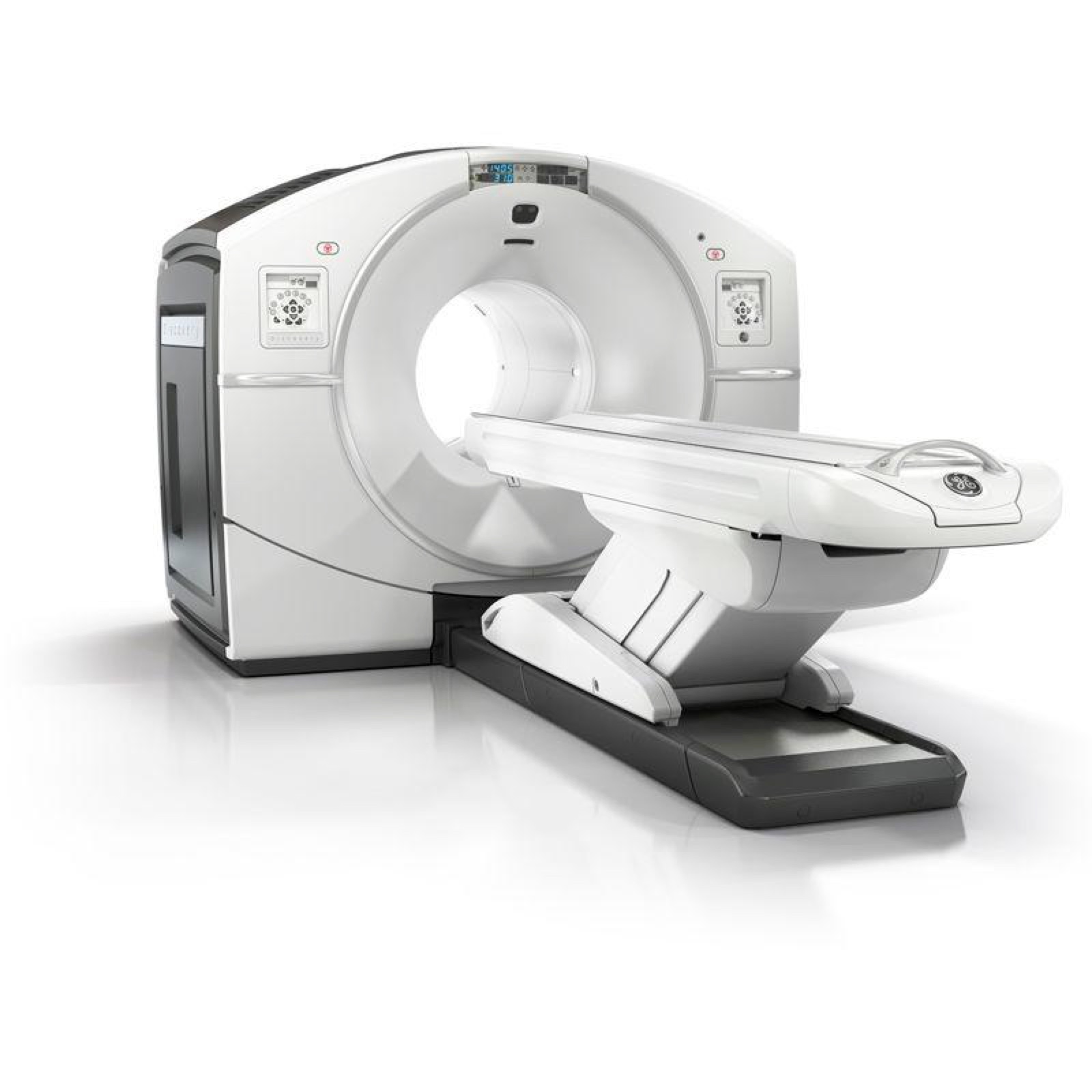
Practical considerations, risk points, and what to ask before you buy, service, move, or maintain imaging equipment.
Running a small clinic or outpatient imaging center is a constant balancing act. You want to offer the diagnostic capabilities your patients need, compete with larger health systems, and still keep the lights on. For most independent clinics, buying new medical imaging equipment simply isn’t realistic — the sticker price alone can be disqualifying before you ever get to installation costs, site prep, or service contracts.
That’s where the refurbished medical imaging market comes in. Done right, acquiring a professionally refurbished CT scanner or MRI system can put you in the same clinical league as much larger facilities — at a fraction of the cost. But the keyword there is done right. This guide breaks down what small clinics and outpatient centers need to know before writing a check.
Why Refurbished Makes Sense for Smaller Facilities
The economics are straightforward. A new 64-slice CT scanner from a major OEM can run $500,000 to $1.5 million depending on configuration. A professionally refurbished equivalent — same manufacturer, same slice count, reconditioned to reliable operating condition — can come in at $150,000 to $450,000. That’s a meaningful gap when you’re financing with a smaller balance sheet and every dollar of debt service matters.
Beyond price, there’s the issue of depreciation. New imaging equipment loses value fast. A refurbished system that’s already gone through its steepest depreciation curve gives you stable asset value without absorbing that initial hit.
For an outpatient center doing 10–20 CT scans per day, a 5- or 10-year-old system from GE, Siemens, or Philips — reconditioned and software-updated — will handle the clinical load without issue. The technology that was cutting-edge five years ago is still clinically excellent today.
What Types of Equipment Work Best for Small Clinics?
Not every imaging modality makes sense at every facility size. Here’s how to think about it:
CT Scanners
CT is usually the first imaging modality a small clinic or outpatient center considers adding because it covers the widest range of diagnostic needs with a relatively compact footprint. A refurbished 16-slice or 64-slice CT is the sweet spot for most small facilities:
- 16-slice systems are cost-effective entry points for general diagnostic work — chest, abdomen, pelvis, extremities. They’re widely available on the used market and have an established service parts ecosystem.
- 64-slice systems open up cardiac CT capability and faster scan times, which improves patient throughput and opens additional reimbursement categories.
- 128-slice and above are generally overkill for outpatient centers without high cardiac or oncology volume — the cost jump is significant and the added clinical use cases may not justify it.
MRI Systems
MRI brings higher capital costs and more complex siting requirements (shielding, magnet quench pipes, larger footprint) but also higher per-scan reimbursement and strong patient demand. Refurbished 1.5T MRI systems are the workhorse of the outpatient world — widely available from GE, Siemens, and Philips, with a mature parts and service market.
For clinics with tighter space constraints or patients with claustrophobia concerns, a refurbished open or wide-bore MRI can be a strong differentiator. Open MRI systems (typically 0.7T–1.2T) are lower field strength but offer better patient tolerance for a subset of your population.
PET/CT
PET/CT is a more specialized acquisition. Volume requirements are higher (you need sufficient oncology referrals to justify the cost), and cyclotron access or a reliable FDG delivery arrangement needs to be in place before the scanner ever arrives. For small clinics, PET/CT makes sense primarily if you’re near a major population center with strong oncology referral flow or you’re partnering with a hospital system.
Key Considerations Before You Buy
1. Site Requirements — Know Before You Shop
Every imaging system has specific room requirements: floor loading, ceiling height, HVAC capacity, electrical service, and for MRI, RF shielding and fringe field planning. A deal that looks great on paper can fall apart if your facility requires $200,000 in construction before the equipment can be installed.
Get a site survey done — or at minimum, pull the manufacturer’s site planning guides for the specific model you’re considering — before you commit. A reputable refurbished equipment dealer will help you assess site compatibility upfront.
2. Age, Generation, and Parts Availability
Older equipment carries more risk, not primarily because it wears out faster, but because parts availability becomes a real issue as systems age beyond their manufacturer support lifecycle. Before buying, ask:
- Is this model still within OEM support or parts production windows?
- Does the dealer have critical spare parts in stock, or will you be waiting on gray-market sourcing for key components?
- What’s the realistic service life remaining?
A system that’s 8–12 years old from a major manufacturer in a common configuration is generally a safer bet than something highly specialized or from a less common platform.
3. Who Installs and Who Services It?
This is the question most first-time buyers underestimate. The equipment itself is only part of the equation — who installs it properly, and who shows up when something breaks at 7 AM on a Tuesday?
For small clinics without in-house biomedical engineering staff, you need a service partner, not just a vendor. Look for a company that:
- Provides installation and application training
- Offers post-sale service contracts (full-service, time-and-materials, or PM-only depending on your risk tolerance)
- Has engineers who specialize in the specific platforms you’re buying
- Has a parts inventory, not just vendor relationships
4. Warranty and Acceptance Testing
Any credible refurbished equipment transaction should include a defined warranty period and documented acceptance testing at installation. Acceptance testing — which verifies the system is performing to published specifications — protects you from discovering problems after the check clears.
Ask for the acceptance test report. If a vendor can’t produce one, that’s a red flag.
Financing and ROI Reality Check
The ROI math on imaging equipment is real, but it takes discipline to model correctly. Consider:
- Reimbursement rates for your payor mix (Medicare rates for CT and MRI are publicly available; commercial contracts vary)
- Scan volume assumptions — be conservative; ramp-up takes time
- Debt service on your equipment financing
- Operating costs: service contract, consumables, staffing (tech + billing)
- Siting and installation costs — don’t bury these
A well-sited, well-serviced refurbished CT scanner in an outpatient setting can generate strong returns within 3–5 years at moderate scan volumes. The model breaks down when unexpected downtime eats into revenue — which is why the service support question is so critical.
Questions to Ask Any Refurbished Equipment Vendor
Before signing anything, run through this checklist:
- What is the system’s age and service history?
- Has it been fully refurbished, or just inspected and cleaned?
- What are the software version and upgrade options?
- What warranty is included, and what’s excluded?
- Do you provide installation, acceptance testing, and application training?
- What does ongoing service support look like?
- What is your parts inventory for this platform?
- Can you provide references from similar-sized facilities?
Work With People Who Know the Equipment
Small clinics and outpatient centers don’t have margin for costly mistakes. The right refurbished imaging equipment — properly sited, professionally installed, and backed by competent service support — can transform your facility’s capabilities and revenue. The wrong deal, with the wrong vendor, costs you twice.
Medical Imaging Specialists has been helping clinics, outpatient centers, hospitals, and health systems acquire refurbished CT, PET/CT, and MRI equipment since 2004. Based in Bradenton, Florida, MIS handles the full lifecycle — from sourcing and refurbishment to installation and ongoing service — and serves clients across the US, Caribbean, and Latin America. If you’re evaluating your first imaging system or looking to replace aging equipment, contact MIS for a straightforward conversation about what makes sense for your facility and budget.
Related Reading
Talk Through Your Next Imaging Project
If you are evaluating refurbished imaging equipment, planning a service strategy, or trying to keep an aging scanner productive, Medical Imaging Specialists can help. Contact MIS through the website and tell us what system you are working with.
Need help with this exact problem?
Send the modality, site location, timeline, and any system details. MIS will route the request by intent.
Related resources
Buyer's Desk
What Is a Fair Price for Used X-Ray Equipment?
A fair used X-ray equipment price depends on scope, detector condition, site readiness, installation, service, parts, and support.
Buyer's Desk
How Much Does Used Medical Imaging Equipment Cost?
Used medical imaging equipment cost depends on modality, model, condition, site work, installation, service, parts, and support scope.
Buyer's Desk
Best Used MRI for an Outpatient Imaging Center
Choose the right used MRI for an outpatient center by matching field strength, bore size, coils, site needs, service, and volume.