
Ops Playbook
What Causes CT Tube Failure? Service Warning Signs
May 10, 2026 · 6 min · Medical Imaging Specialists
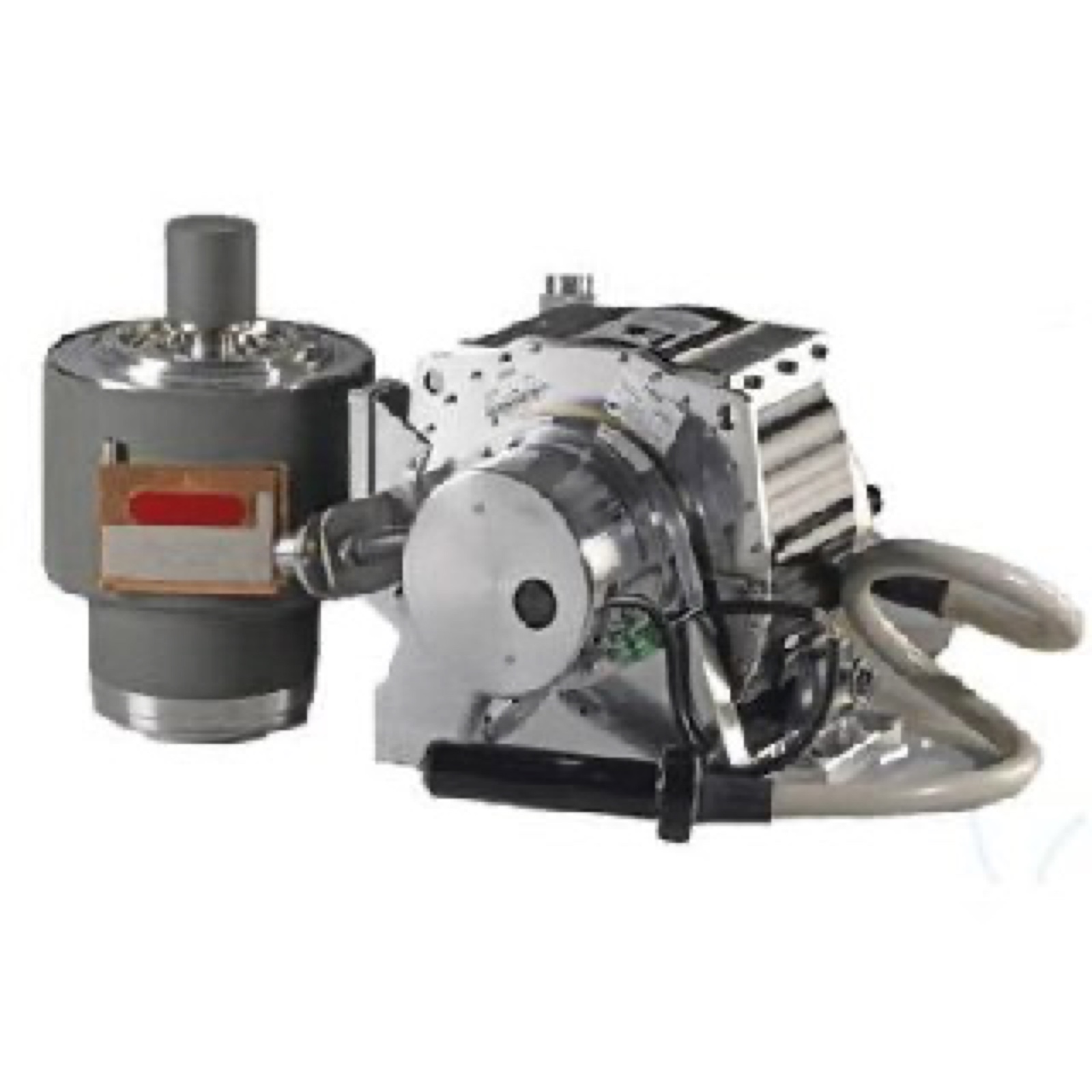
Practical considerations, risk points, and what to ask before you buy, service, move, or maintain imaging equipment.
CT tube failure is usually caused by a mix of heat load, scan volume, tube age, cooling problems, demanding protocols, bearing or rotor wear, generator issues, and deferred maintenance. Sometimes a tube fails suddenly, but many failures leave clues first: repeated warmup errors, arcing events, cooling alarms, image artifacts, unusual noise, aborted scans, or rising tube-usage indicators. The right response is not guessing. It is reviewing the system history, error logs, tube data, cooling conditions, and recent service patterns before ordering a very expensive part.
For a CT operator, tube failure is one of the most painful service events because it can turn a full schedule into immediate downtime.
Why CT tubes fail in the first place
A CT X-ray tube works under extreme conditions. It has to generate high-energy X-rays while rotating, heating, cooling, and repeating that cycle thousands of times. Every scan adds thermal and mechanical stress. Over time, the tube insert, bearings, anode surface, rotor, housing, oil, seals, and high-voltage path all age.
That does not mean every tube has a predictable expiration date. Two scanners with the same model and install year can have very different tube life. A low-volume outpatient system running routine protocols may get years more service than a busy emergency scanner handling trauma, CTA, bariatric patients, and high-throughput schedules.
Tube life is an operating condition, not just a calendar age. Track it the same way you track uptime, service history, and major parts risk. MIS covers replacement-cost planning in the CT X-ray tube replacement cost guide; this article focuses on what drives failure risk.
Heat load and scan volume are the big drivers
Heat is the central issue in most CT tube-life conversations. The tube has to absorb and shed heat repeatedly. Higher mA, longer scans, repeated contrast studies, cardiac or vascular protocols, bariatric scanning, and back-to-back patient schedules all increase thermal demand.
The scanner is designed to manage heat, but the tube still has limits. If a site consistently pushes the tube near those limits, life can shorten. If protocols are unnecessarily aggressive, tube wear may accelerate without any clinical or operational benefit. That is why protocol management, applications review, and service history should not live in separate worlds.
A busy CT can run hard and still be healthy if the site, cooling, protocols, and maintenance are right. A lower-volume CT can still have tube trouble if cooling is poor, PM is skipped, or recurring errors are ignored.
Cooling, HVAC, and room conditions can shorten tube life
CT tube problems are not always caused by the tube alone. Cooling problems can make a good tube behave like a failing tube, and they can also damage a tube over time.
Depending on the system, the cooling path may involve internal cooling, fans, filters, heat exchangers, chiller support, room HVAC, cabinet ventilation, and clean airflow around electronics. Dust buildup, blocked vents, poor equipment-room temperature control, failing fans, weak chillers, or marginal HVAC can push the scanner into repeated overheating events.
Heat stress compounds. A system fighting room temperature or poor airflow may log intermittent errors long before it goes fully down. During PM, the engineer should look beyond the gantry and review the site environment. Our guide on what is included in a CT preventive maintenance visit explains why room conditions belong in the PM conversation.
If your facility is planning a CT room, relocation, or replacement scanner, review CT scanner site preparation before the equipment arrives. A room that barely supports the system on day one may become a service problem later.
Mechanical wear, arcing, and high-voltage issues
CT tubes also fail mechanically and electrically. Bearings and rotor assemblies wear. The anode surface can degrade. High-voltage instability can cause arcing. Oil or housing issues may appear. Cable, generator, or connection problems can mimic or contribute to tube-related faults.
This is where facilities can get expensive guesses wrong. A tube error does not automatically mean the tube is the only bad component. A qualified CT engineer should review the specific fault history, service documentation, and supporting components before a replacement decision is made.
Common warning signs include repeated tube warmup failures, intermittent arcing messages, scan aborts under load, unusual gantry or tube noise, image-quality changes, generator-related faults, or errors that appear only during higher-demand protocols. Those patterns need diagnosis, not a blind parts order.
If replacement is likely, the plan should include more than “ship a tube.” Confirm compatibility, installation labor, calibration, system-specific procedures, image-quality checks, documentation, and whether related components should be inspected while the scanner is already down.
Deferred maintenance turns small problems into outages
Preventive maintenance cannot guarantee tube life, but skipped maintenance can absolutely make tube problems worse. Filters get dirty. Fans weaken. Room conditions drift. Error logs accumulate. Minor recurring faults become normal because the scanner still completes most exams.
That is how a facility gets surprised: the warning signs existed, but they were never reviewed by the right person.
A good PM program lets the service team review tube usage, error history, cooling performance, site conditions, and operator complaints before they become downtime. It also gives leadership time to budget, source parts, compare service options, or decide whether an aging CT should be replaced.
For facilities comparing PM-only support against broader coverage, MIS’s medical imaging service contract guide is a useful next read. The right structure depends on volume, system age, parts availability, risk tolerance, and whether CT downtime would disrupt the entire operation.
When tube failure becomes a replace-or-repair decision
A tube failure on a newer, well-supported scanner is often a repair decision. On an older CT with weak parts support, recurring detector or generator issues, outdated software, and high downtime risk, it may be the moment to compare repair against replacement.
Before approving a major tube quote, ask whether the tube is the only major issue, whether parts are still readily available, how the scanner has performed over the last 12 to 24 months, and whether a replacement tube extends useful life enough to justify the spend. If the system is already near the replacement threshold, read when to replace vs. repair a CT or MRI before treating the tube quote as automatic.
MIS supports both sides of that decision: CT service and parts when repair makes sense, and refurbished CT equipment planning when replacement is the better operating call.
What to send before requesting CT tube service
A service conversation moves faster when the facility sends the right information up front. Before calling for CT tube support, collect:
- CT manufacturer, model, and serial number
- Tube model or part number, if available
- Current symptoms and whether the scanner is down
- Error codes, screenshots, and recent event history
- Tube usage data, scan seconds, or mAs indicators if accessible
- Recent PM or repair records
- Cooling alarms, HVAC issues, or room-temperature concerns
- Any image artifacts, aborted scans, or warmup failures
- Site location, access windows, and urgency
That information helps separate a likely tube failure from a cooling, generator, cable, software, or site-condition issue. It also helps parts teams confirm compatibility before money is wasted on the wrong component. If you have a confirmed diagnosis, MIS can help through medical imaging parts. If you need diagnosis first, start with medical imaging service or /contact.
FAQ
Can a CT tube fail without warning?
Yes. CT tubes can fail suddenly, especially when internal mechanical or electrical problems develop quickly. More often, though, there are earlier clues such as repeated warmup errors, cooling alarms, arcing messages, scan aborts, image artifacts, or unusual noise.
Can preventive maintenance prevent CT tube failure?
Preventive maintenance cannot prevent every tube failure or guarantee uptime. It can help catch cooling issues, recurring errors, usage trends, and site problems early enough to plan service, parts, or replacement before the scanner fails during patient hours.
Should I replace the tube or replace the CT scanner?
It depends on system age, parts availability, service history, downtime impact, current tube quote, and the scanner’s remaining useful life. If the CT has multiple aging components or weak support, replacement may deserve a serious look.
Can MIS help source CT tubes and related parts?
Yes. MIS supports CT service, parts sourcing, preventive maintenance, and refurbished CT planning. The fastest path is to send the scanner make, model, serial number, symptoms, error codes, and any confirmed part numbers.
Schema recommendation
Use Article or BlogPosting schema for the post, FAQPage schema for the FAQ section, and Service schema on CT service, preventive-maintenance, and parts pages.
Plan CT tube service before downtime owns the schedule
If your CT is logging tube-related errors, showing cooling alarms, or approaching a major tube decision, do not wait for a full outage. Send MIS the scanner details, symptoms, error codes, tube information, and service history. The team can help determine whether you need diagnosis, parts, preventive maintenance, tube replacement, or a broader CT replacement conversation through MIS service, parts, or /quote.
Need help with this exact problem?
Send the modality, site location, timeline, and any system details. MIS will route the request by intent.
Related resources
Ops Playbook
What Site Requirements Are Needed for a CT Scanner?
CT scanner site requirements include room fit, power, cooling, shielding review, access, IT, service clearance, and project planning.
Ops Playbook
How Long Does CT Scanner Installation Take? Planning Guide
CT scanner installation timing depends on site readiness, rigging, power, cooling, shielding review, IT, service support, and project scope.
Ops Playbook
How Quickly Can a CT Scanner Be Repaired After Downtime?
CT repair speed depends on diagnosis, parts, access, service history, and site readiness. Learn what helps a scanner get back online faster.