
Buyer's Desk
What to Look for When Buying a Used CT Scanner
May 9, 2026 · 6 min · Medical Imaging Specialists
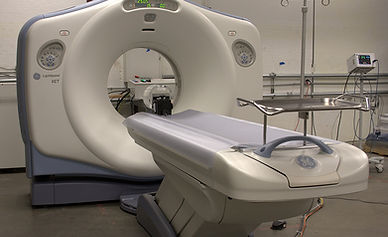
Practical considerations, risk points, and what to ask before you buy, service, move, or maintain imaging equipment.
When buying a used CT scanner, look past the purchase price first. Confirm the scanner’s clinical fit, tube life, detector condition, service history, software options, parts availability, site requirements, installation scope, and who will support it after go-live. A used CT can be a smart capital decision, but only if the system is matched to your patient volume, room, budget, and service plan. The cheapest scanner on the quote is rarely the cheapest scanner to operate.
A clean buying process starts with a checklist, not a sales pitch.
Start with the clinical job the CT has to do
Before comparing brands or slice counts, define the work the scanner has to handle. A low-volume outpatient clinic, urgent care center, oncology group, hospital outpatient department, and cardiac imaging program do not need the same CT configuration.
Document the primary exam types, expected daily volume, contrast workflow, required slice count, patient-table needs, and whether current software options are required for your protocols. This is where buyers often get distracted. A 128-slice scanner sounds better than a 64-slice scanner until the service cost, room requirements, tube cost, and utilization do not match the business case. For a deeper slice-count framework, see MIS’s guide to 16 vs 64 vs 128 slice CT scanners. If you are still comparing fixed-site system classes, start with available CT equipment options and work backward from the studies you actually plan to perform.
Verify tube life, detector status, and major component history
The CT tube is usually the largest single consumable risk in a used CT purchase. A scanner with a low purchase price and a tired tube can turn into a budget problem fast.
Ask for the tube data before you treat the quote as real. Depending on the system, that may include scan seconds, mAs, install date, tube type, exposure history, or tube usage reports. The exact metric varies by manufacturer and model, so do not compare tube life casually across platforms. Compare it with someone who knows that specific scanner family.
Also ask about detector condition, calibration history, gantry and slip-ring issues, cooling or high-voltage repairs, recurring faults, workstation condition, accessories, and any parts that were recently replaced. A good seller should be comfortable providing documentation. If the answer is “it was working when removed” and nothing else, slow down. Working yesterday is not the same as ready for your room. MIS’s CT tube replacement cost guide explains why tube planning belongs in the purchase conversation, not after the first failure.
Check software, licensing, and compatibility before you buy
Used CT scanners are not just hardware. Software options, clinical packages, DICOM configuration, networking, and workstation capability can determine whether the scanner fits your operation.
Confirm which options are active and transferable where applicable. Do not assume cardiac, metal artifact reduction, dose management tools, advanced recon, or specialty packages are included because a brochure says the platform can support them. A used system’s actual configuration matters more than the model family’s theoretical capability.
Verify DICOM send, storage, query/retrieve, modality worklist, PACS/RIS integration, injector workflow, dose reporting expectations, service access, passwords, documentation availability, and whether the system has been modified or partially stripped. This is one reason a used CT purchase should involve the people responsible for IT, service, and daily scanning — not only finance. A quote that leaves out workstation, network, applications, or software assumptions can look clean on paper and turn messy during installation.
Inspect service history and parts support like an operator
A used CT scanner is only as good as the support plan behind it. Before buying, ask who will maintain the system, how available the parts are, and whether the service team has real experience on that platform.
The practical questions are straightforward: are tubes, boards, power supplies, detectors, and workstation components still sourceable? Does the vendor stock parts or start searching after the scanner goes down? Who performs PM after installation? Is service handled by in-house engineers or subcontracted coverage? What happens if the same fault repeats after go-live?
Parts availability is not a footnote. It is the difference between a scanner that supports your business and a scanner that becomes a room-sized liability. MIS’s guide on refurbished imaging equipment parts availability is worth reading before you commit to an older platform.
If uptime is critical, compare a simple equipment purchase against a service-backed plan. MIS supports CT buyers with parts, field service, preventive maintenance, and quote-based equipment planning through /quote.
Confirm site fit, power, HVAC, shielding, and installation scope
A used CT scanner that does not fit your room is not a bargain. Site readiness can affect delivery timing, construction budget, inspection schedules, and go-live date.
Before signing, confirm the scanner’s pre-installation requirements against your actual room: dimensions, service clearances, rigging path, floor loading, electrical service, grounding, HVAC capacity, shielding review, network drops, workstation location, delivery, calibration, applications, and acceptance testing scope.
Do not rely on “it should fit.” Get the pre-install guide, involve your contractor early, and make the equipment vendor walk the site conditions with you. MIS’s CT scanner site preparation guide covers the common misses that delay projects.
Also clarify what is included in the quote. Deinstallation from the current site, crating, freight, insurance, rigging, installation, calibration, applications training, and warranty/service coverage may be separate line items. If you are comparing quotes, normalize the scope before comparing price.
Common mistakes when buying a used CT scanner
Most bad used CT purchases follow a pattern. The buyer focuses on price and model name, then discovers the operational details later.
Avoid these mistakes:
- Buying by slice count alone without matching exam mix and volume
- Ignoring tube life because the scanner was recently operational
- Accepting vague service history or missing error logs
- Assuming software options are active or transferable
- Forgetting site prep, rigging, freight, and installation costs
- Buying an aging platform without confirming parts availability
- Separating the purchase from the service plan
- Comparing quotes that do not include the same scope
The right used CT scanner should come with a clear equipment story: where it came from, how it was tested, what was replaced, what risk remains, what the site needs, and who supports it after installation.
Used CT buyer checklist
Before requesting a final quote, define the exam mix, confirm the exact system configuration, request tube and service history, verify software and DICOM workflow, check parts availability, review site requirements, and clarify whether deinstall, freight, rigging, install, calibration, applications, PM, and service are included.
If the seller cannot answer those questions, you do not have a complete quote yet. You have a starting number.
FAQ
Is buying a used CT scanner a good idea?
Yes, when the scanner is properly evaluated, refurbished where needed, installed correctly, and supported by qualified service. Used CT can reduce capital cost significantly compared with new equipment, but the economics depend on tube life, parts availability, installation scope, and ongoing uptime.
What is the most important thing to check before buying a used CT?
Clinical fit and major component condition matter most. In practice, that means confirming the scanner can perform the exams you need and reviewing tube life, detector status, software options, service history, and parts support before you commit.
Should I buy a 16-slice, 64-slice, or 128-slice CT?
It depends on exam mix, patient volume, and budget. Many routine outpatient and urgent care environments can operate well with a properly supported 16- or 64-slice scanner. Higher-slice systems may be needed for cardiac, high-volume, or advanced applications, but they also tend to carry higher support and component costs.
What hidden costs should I budget for with a used CT scanner?
Budget for site prep, shielding review, electrical and HVAC work, deinstallation, crating, freight, rigging, installation, calibration, applications training, PM, service coverage, and future tube or parts replacement. The scanner price is only one part of the project.
Schema recommendation
Use FAQPage schema for the FAQ section and Article schema for the blog post. Because the topic supports CT equipment sales and service, Service schema is also appropriate on supporting service and quote pages, with Product or ItemList schema on relevant CT equipment catalog pages.
Ready to evaluate a used CT scanner without guessing? Send MIS the make, model, slice count, serial number, tube data if available, site location, target timeline, and intended exam mix through the quote request page, or start with CT equipment and service support if you need the whole project scoped.
Need help with this exact problem?
Send the modality, site location, timeline, and any system details. MIS will route the request by intent.
Related resources
Ops Playbook
What Site Requirements Are Needed for a CT Scanner?
CT scanner site requirements include room fit, power, cooling, shielding review, access, IT, service clearance, and project planning.
Ops Playbook
How Long Does CT Scanner Installation Take? Planning Guide
CT scanner installation timing depends on site readiness, rigging, power, cooling, shielding review, IT, service support, and project scope.
Buyer's Desk
What Is a Fair Price for Used X-Ray Equipment?
A fair used X-ray equipment price depends on scope, detector condition, site readiness, installation, service, parts, and support.